Google’s SynthID Bio Watermarks AI-Designed Proteins Without Breaking Them
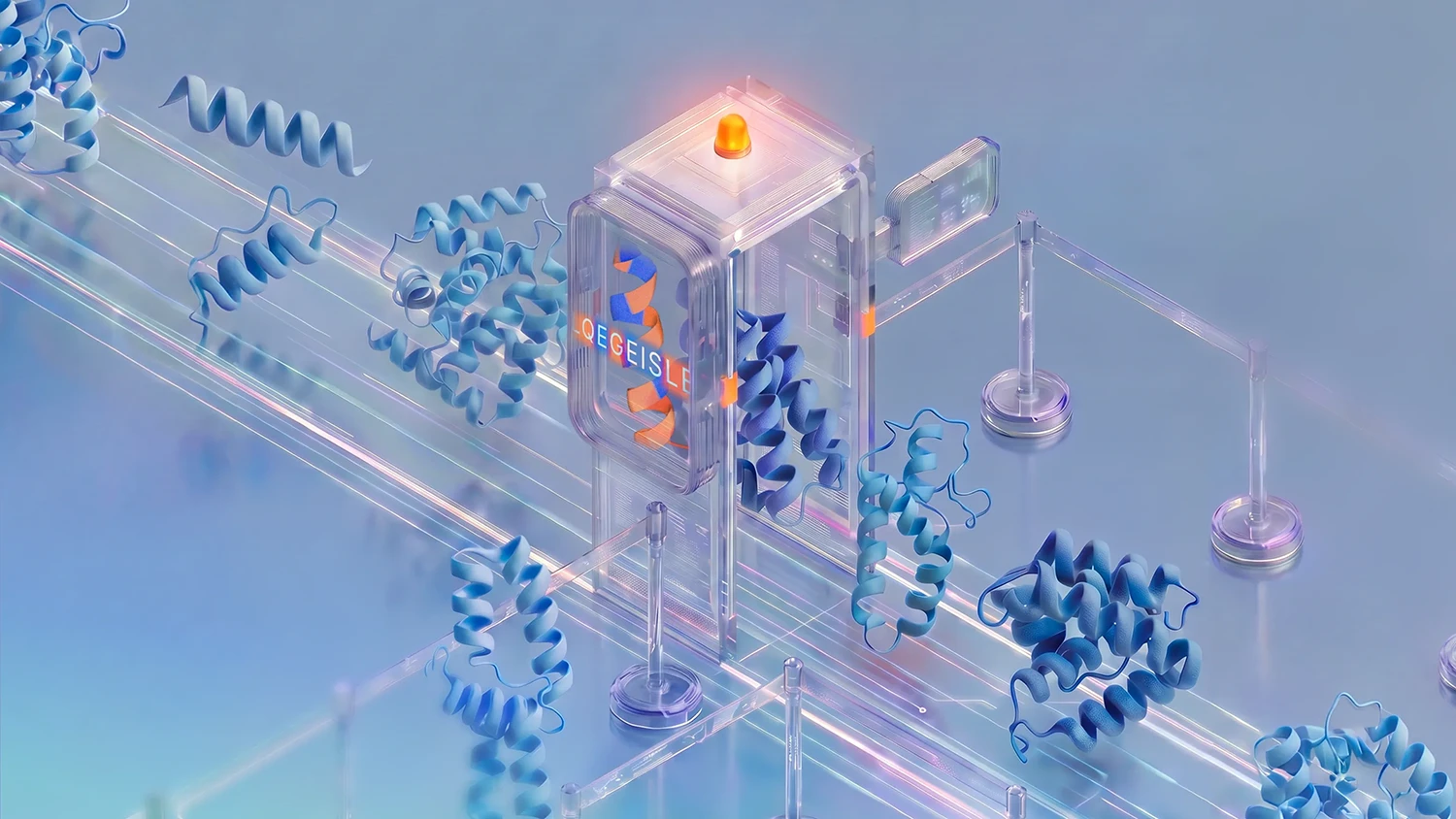
Google DeepMind has developed SynthID Bio, a method for embedding a hidden signature in AI-designed proteins. The watermark is designed to appear in both amino-acid sequences and predicted three-dimensional structures without changing what the protein is meant to do.
Laboratory tests on binders targeting VEGF-A, the SARS-CoV-2 spike protein and PD-L1 found that watermarked designs performed comparably with unwatermarked versions. The researchers see potential for DNA-synthesis screening services to verify that an order came from a trusted AI system.
This report is based on Help Net Security’s October 1 coverage. Follow the source link for the original reporting and full context.
Source: Help Net Security · Anamarija Pogorelec
THE FOUNDER BRIEF
The week's most important stories in business, technology and innovation.
More from THE FOUNDER

Tenstorrent Raises $1.5B Series E at $6.2B Valuation as Jim Keller's Chip Startup Takes On the AI Giants
AI chip and server maker Tenstorrent has closed a $1.5 billion Series E at a $6.2 billion post-money valuation, with backing from ARK Invest, Fidelity, T. Rowe Price, Morgan Stanley and Sandisk.
By The Founder Editorial·October 21, 2026·5 min read

GM Ventures Leads $108M Series B in Peak Energy, the Sodium-Ion Battery Startup Targeting Data Centers
Burlingame, California-based Peak Energy has closed a $108 million Series B led by General Motors Ventures to scale its passively cooled sodium-ion energy storage systems, which it says can cut the cost of energy by up to 20%.
By The Founder Editorial·October 21, 2026·5 min read

Whop Raises $200M Series D at $5.1B Valuation to Power the Next Wave of Online Founders
Palo Alto-based Whop has raised a $200 million Series D led by Sequoia Capital and Shopify Ventures, valuing the company at $5.1 billion. About 25,000 operators now generate roughly $550 million a month on the platform.
By The Founder Editorial·October 21, 2026·5 min read